Tutorial on ,
eBPF and WASM - Better Together

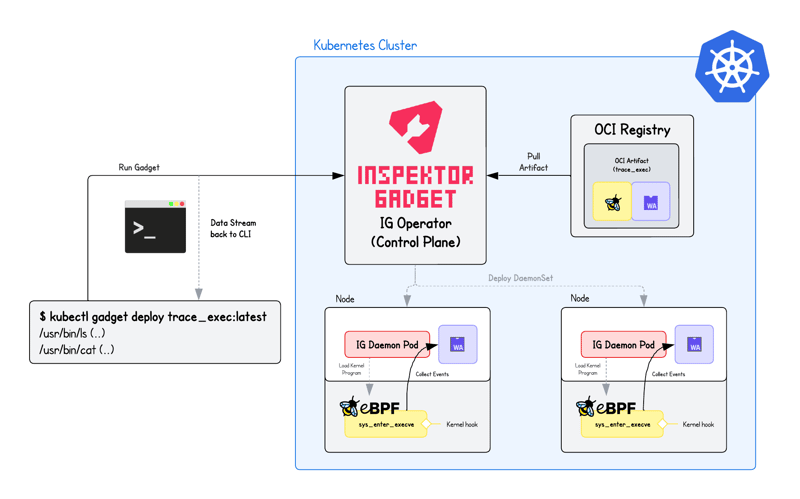
Learn how Inspektor Gadget pairs eBPF with WASM to process kernel events—and walk through the same idea yourself by implementing a minimal example.
Hands-on deep dives into DevOps and server-side topics, with every command runnable in an attached remote playground.
Learn how Inspektor Gadget pairs eBPF with WASM to process kernel events—and walk through the same idea yourself by implementing a minimal example.
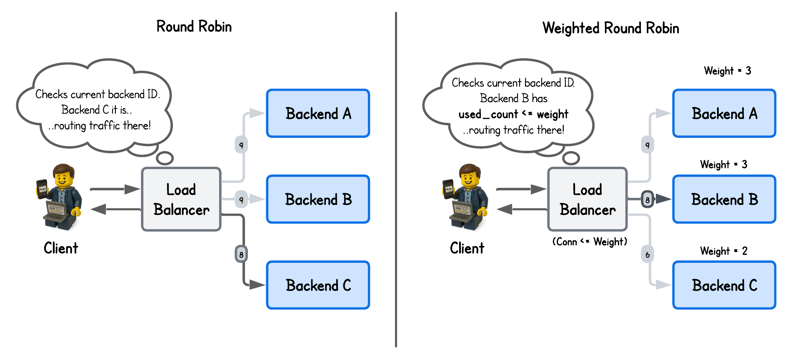
In this lab, you’ll build a NAT-based eBPF/XDP load balancer from scratch and implement both round-robin and weighted round-robin backend selection. Along the way, you’ll learn how to manage state in eBPF maps and distribute traffic across backends based on simple and capacity-aware scheduling strategies.
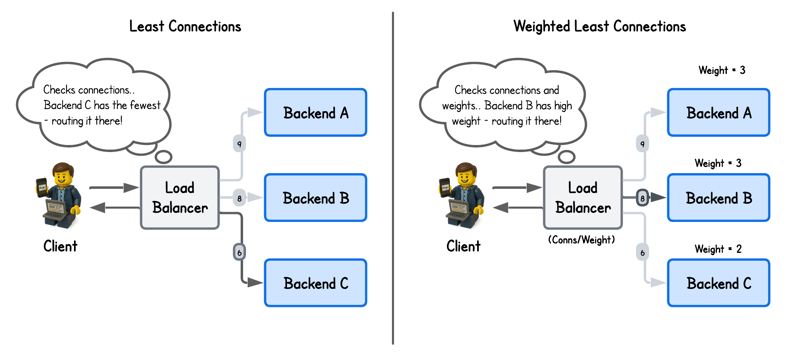
In this lab, you will extend the eBPF/XDP-based NAT load balancer implementation with the least-connections to a weighted least-connections algorithm that accounts for backend capacity.
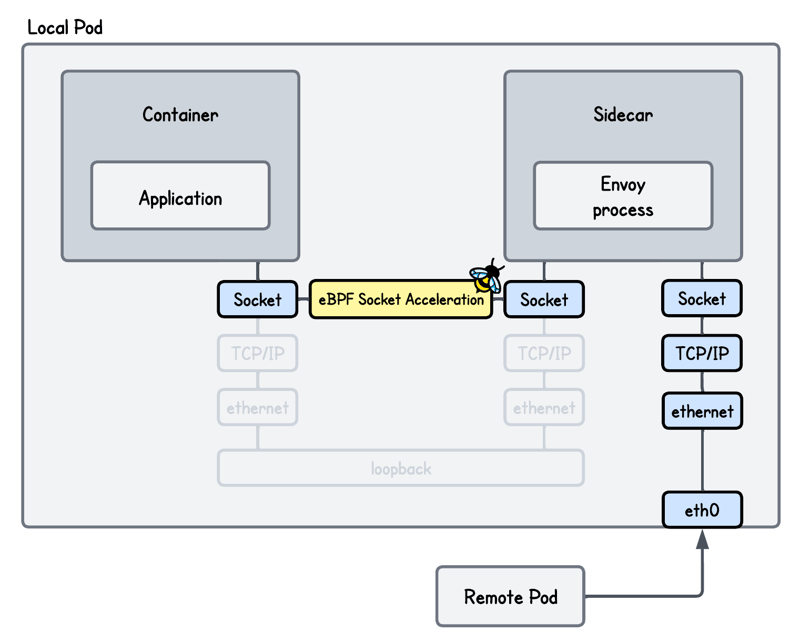
This lab teaches you how to use eBPF socket acceleration to speed up communication between processes on localhost and optimize a transparent Envoy proxy setup. You will implement techniques that bypass parts of the kernel networking stack, allowing data to be transferred more directly between sockets to improve throughput and reduce latency.
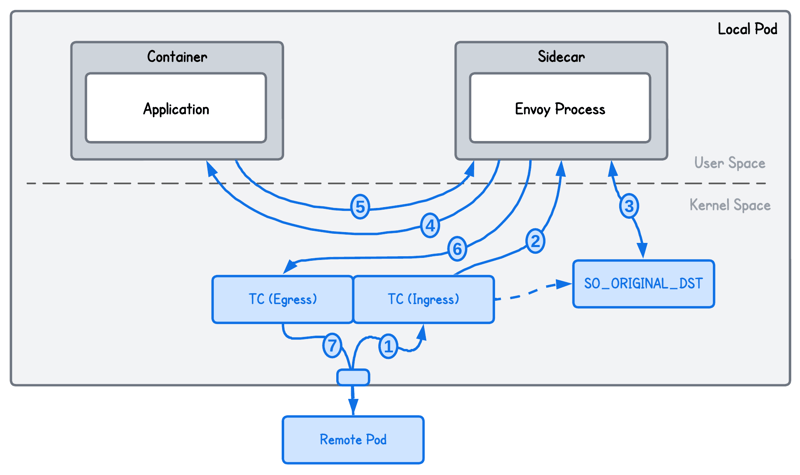
This lab shows how to use eBPF to transparently redirect inbound traffic through an Envoy proxy on the server side, without modifying the application or client. You’ll learn how eBPF can intercept and restore connections so the service remains unaware of the proxy in the network path.
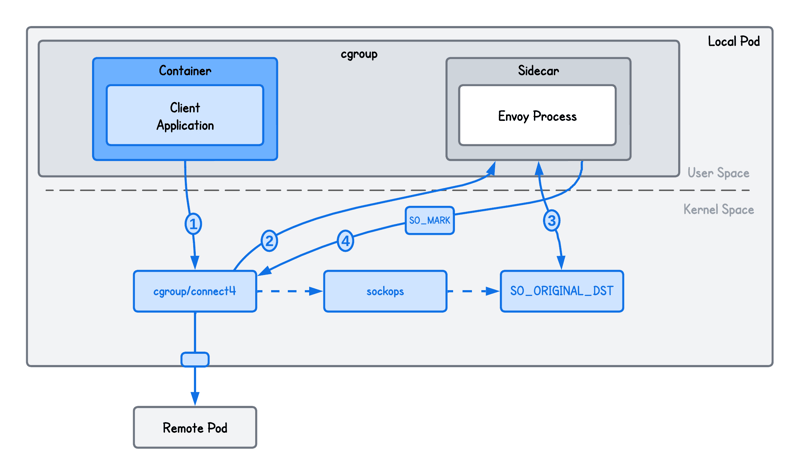
This lab teaches you how to use eBPF to transparently intercept and redirect a client's outgoing traffic to an Envoy proxy without requiring any changes to the application code. You will build a system that recovers original connection metadata via socket-level hooks and uses SO_MARK to prevent infinite routing loops, replacing traditional, complex iptables rules with a high-performance eBPF alternative.
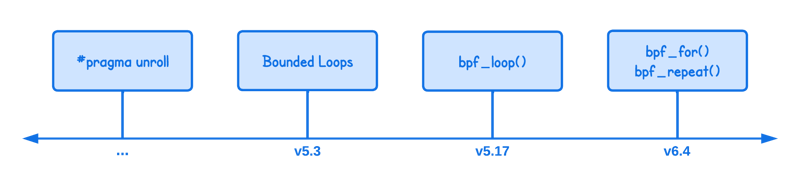
In this tutorial you will learn different ways to implement loops in eBPF, explaining how iteration evolved from manual loop unrolling to modern mechanisms like bounded loops, helper functions, and open-coded iterators. It walks through the limitations, kernel version requirements, and practical examples for each approach so you can choose the most appropriate looping method for your eBPF programs.
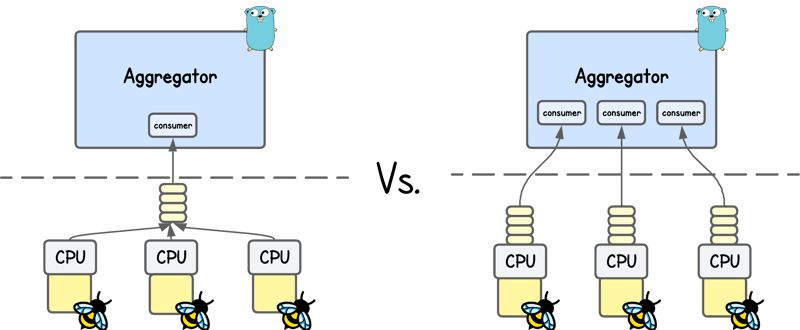
In this tutorial, you’ll learn how eBPF applications send kernel events into user space using perf buffer and ring buffer, exploring their design, trade-offs, and performance implications. You’ll also learn how moderns solutions like Jibril handle high-throughput event delivery.
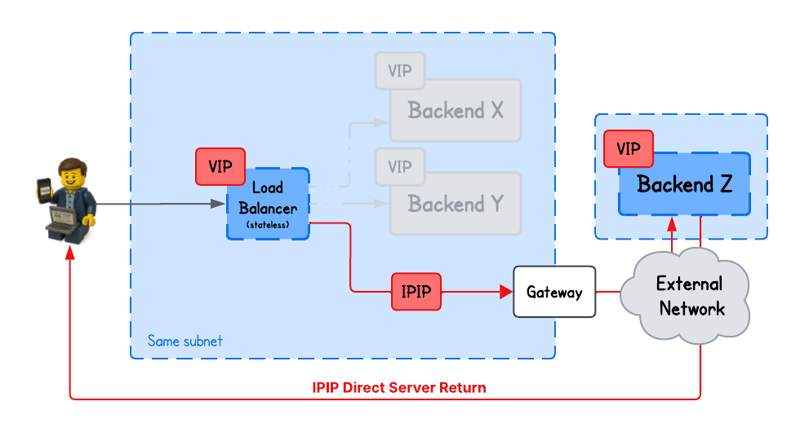
In this tutorial, you will learn how to build a IPIP DSR load balancer using eBPF/XDP, where backends from arbitrary networks send responses directly back to clients bypassing the load balancer.
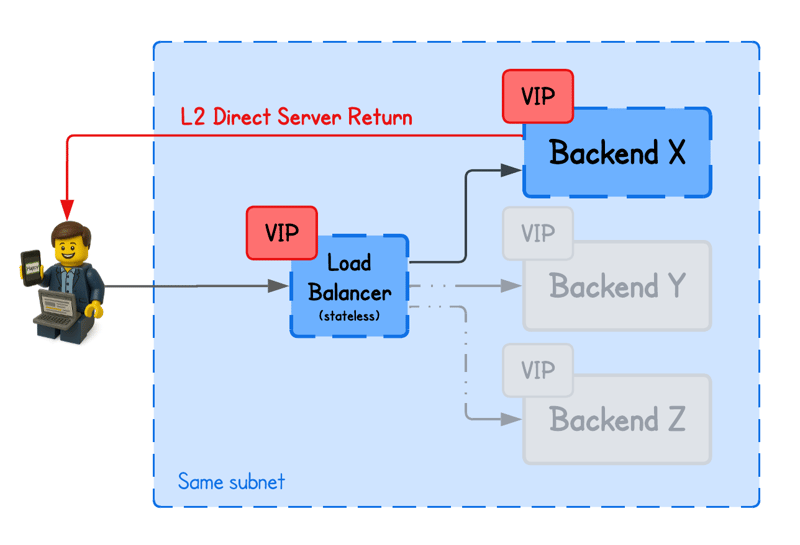
In this tutorial, you will learn how to build an Layer 2 DSR load balancer using eBPF/XDP, where backends send responses directly back to clients bypassing the load balancer.
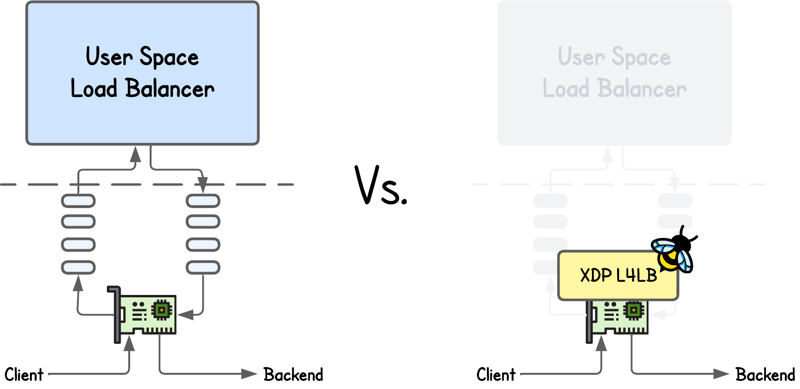
Learn how an eBPF/XDP-based NAT Layer 4 load balancer works by building one from scratch. We implement simple connection tracking, deterministic hashing, and IP/MAC rewriting with a small, easy-to-follow example.
Learn how to build an eBPF/XDP firewall that filters packets by IP ranges using BPF_MAP_TYPE_LPM_TRIE and longest-prefix matching.
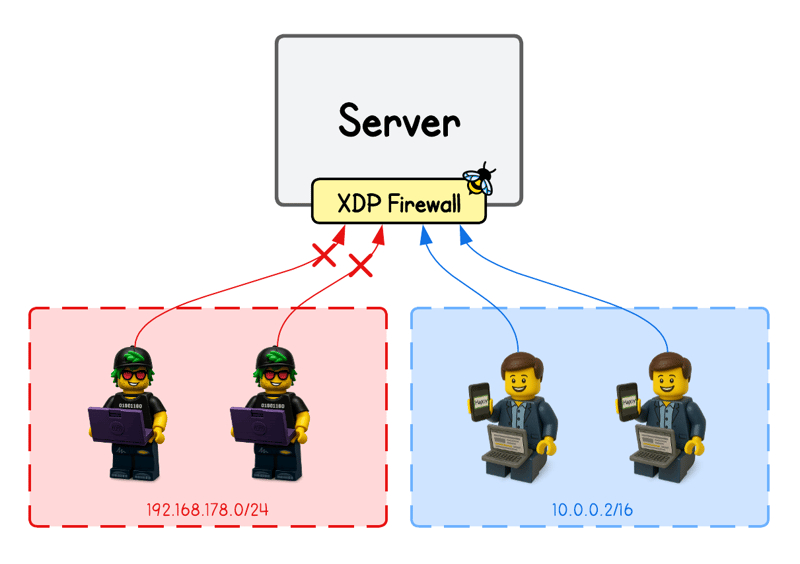
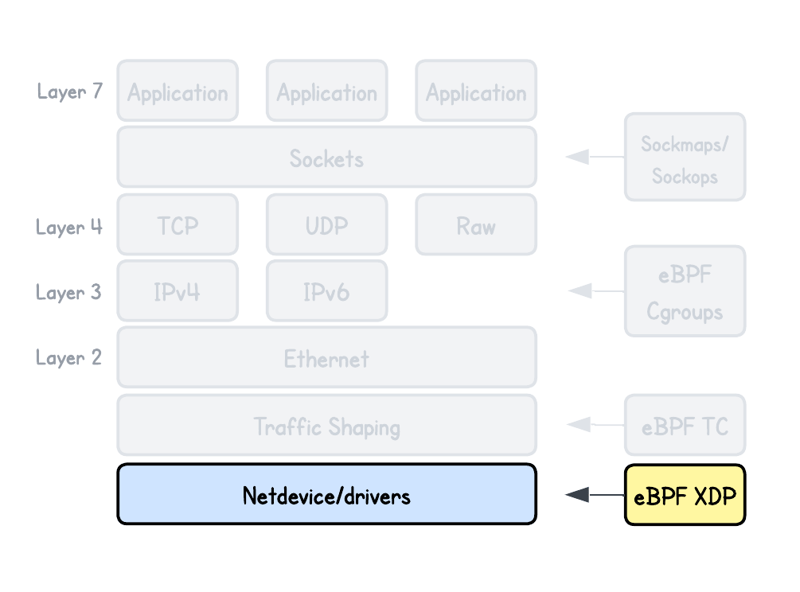
In this tutorial, you’ll learn the fundamentals of eBPF and XDP through example code that parses packets across different protocol layers, demonstrates how XDP actions work, and shows how these building blocks form the foundation for high-performance networking applications.
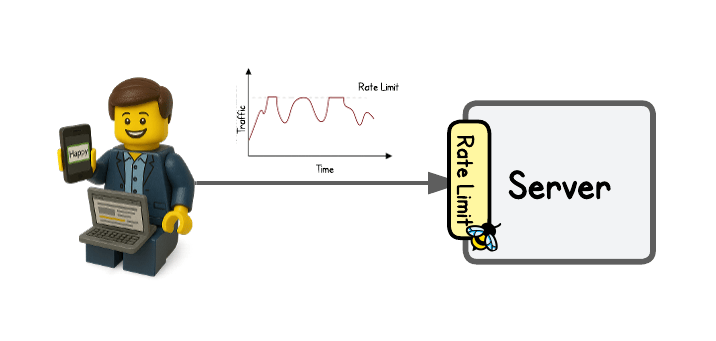
Learn how to implement a basic per-client ICMPv6 packet rate limiter using eBPF/XDP. This tutorial shows how to track client activity with eBPF maps and enforce limits directly in the kernel—without any user-space interaction.
In this tutorial, we look at why eBPF programs can fail across kernel versions due to changes in structs, tracepoints, and function layouts. We look at examples of how these differences cause portability issues and how BPF CO-RE, BTF and vmlinux.h address them.
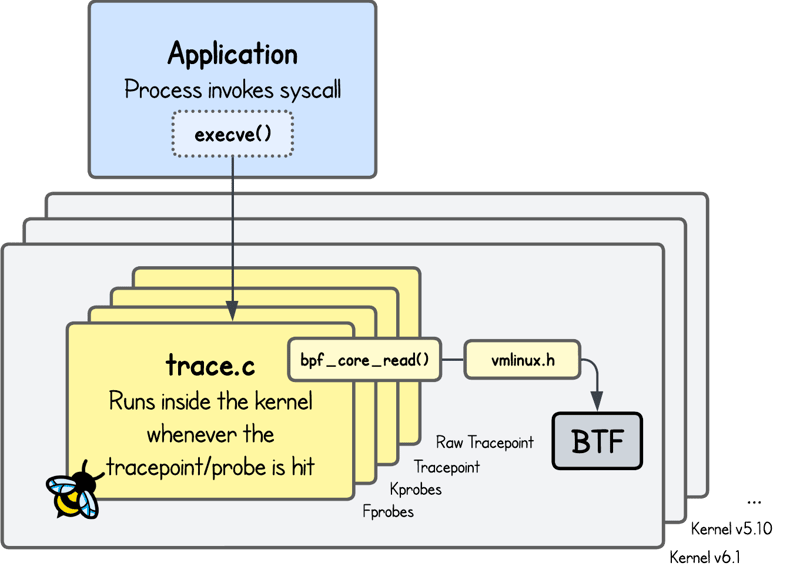
In this tutorial, you’ll learn how to make your eBPF programs portable across kernels that lack built-in BTF support.
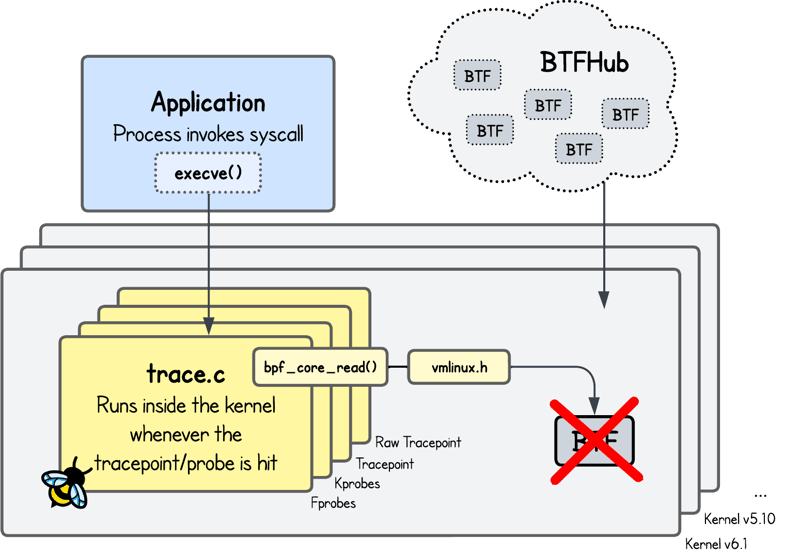
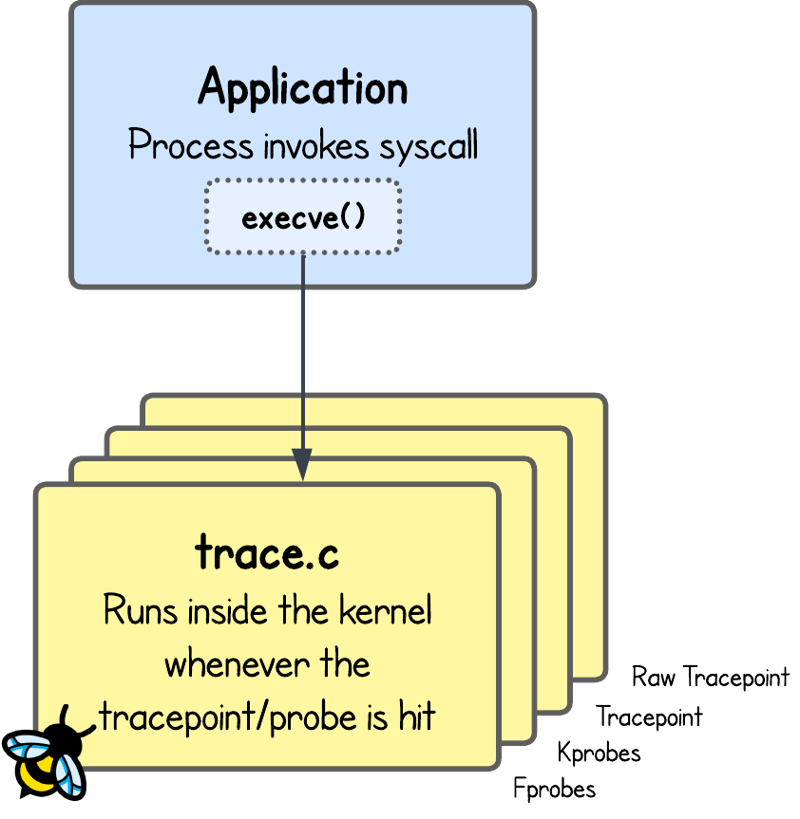
In this tutorial, we’ll look at how different eBPF tracing mechanisms work in practice by focusing on a single use case: capturing execve system call events. We’ll start with tracepoints, move on to raw tracepoints, and then cover kprobes and fprobes, showing how each attaches to the kernel and what data they expose. Along the way, we’ll compare their trade-offs in terms of stability, performance, and portability.
In this tutorial, you’ll learn why it is safe to run eBPF code in the kernel, some of its advantages compared to kernel modules, and why the verifier is the most crucial component of eBPF.
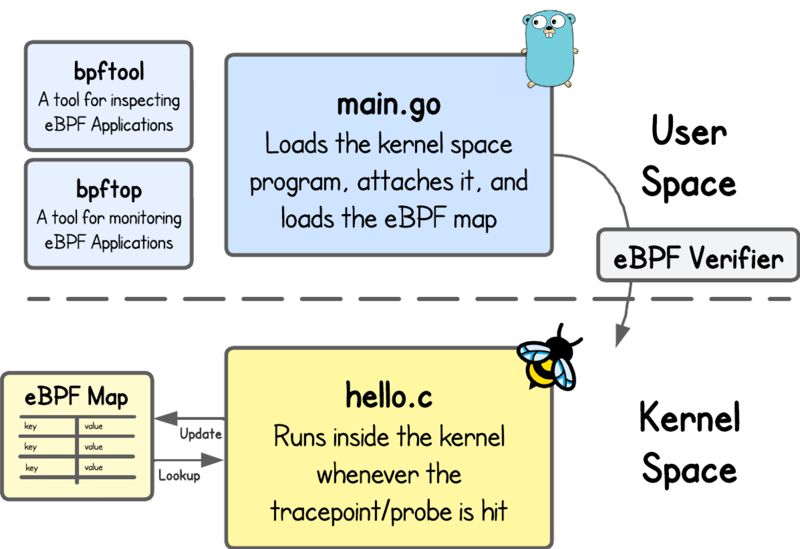
In this tutorial, you’ll learn how to inspect eBPF programs and maps loaded into the kernel with bpftool, gaining deeper visibility into how your eBPF application runs. We’ll also explore bpftop, a top-like interface that lets you monitor eBPF program activity in real time.
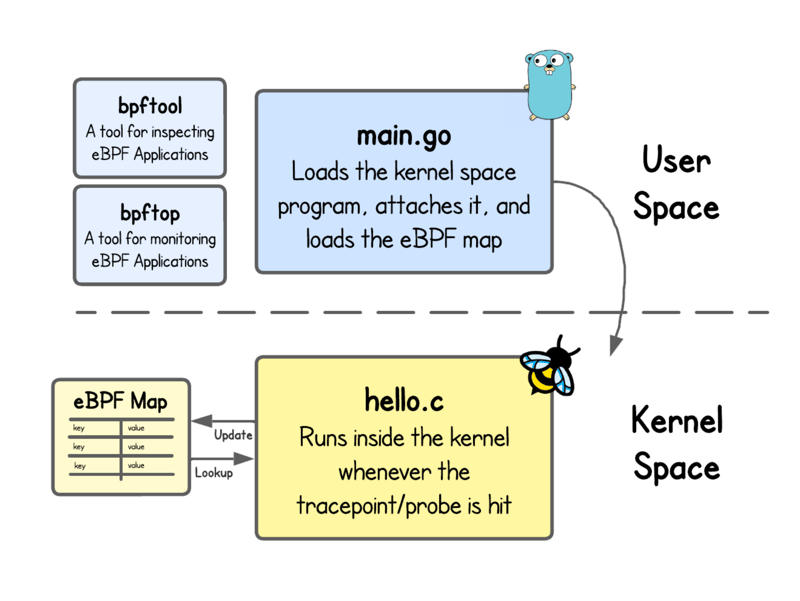
In this tutorial, you’ll learn how to store and update data inside the kernel, turning a simple eBPF Hello World program into one that tracks useful state. We’ll also briefly learn a few basics of bpftool, a handy CLI tool that will allow us to list and inspect our eBPF map.
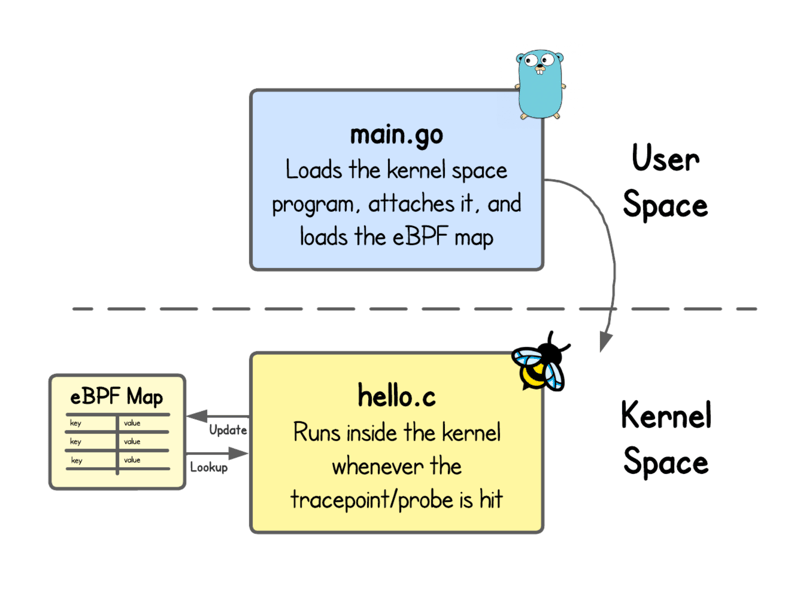
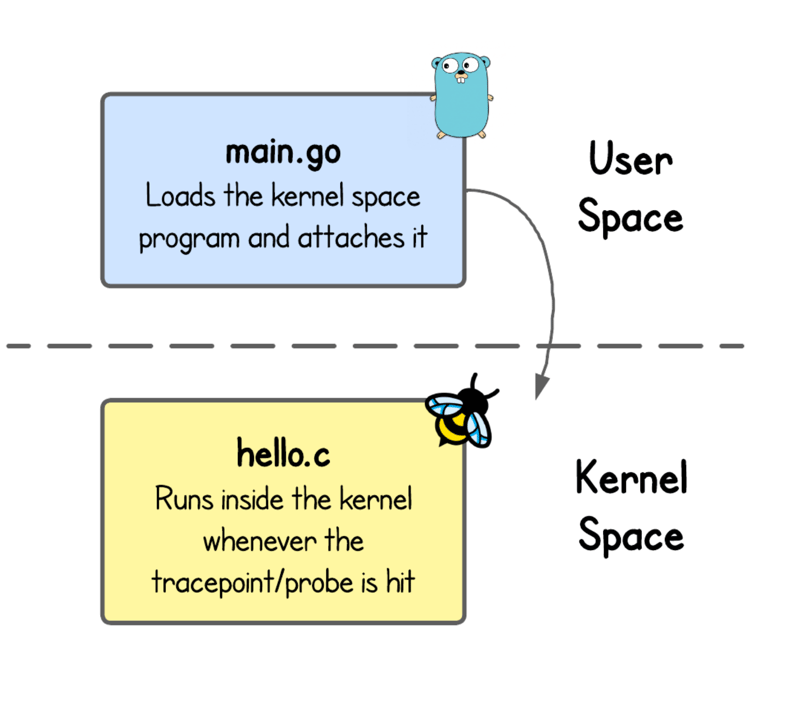
In this first tutorial, you’ll run a pre-coded eBPF program and see it in action without writing any code yourself. We’ll walk through the important parts of the program so you understand how eBPF hooks and runs in the kernel. The goal is to get familiar with the workflow and core concepts before you start writing your own eBPF programs.